Last week, I went on a family vacation to the Yucatan peninsula. As I have been studying the Maya language for the Endangered Languages Initiative, I was especially excited to be immersed in the Maya language and culture. I was able to experience many different parts of Maya culture, such as learning how to make the traditional Mayan chocolate drink. Did you know that the word “chocolate” actually comes from Ancient Maya meaning “hot water”? This was because the Maya almost never drink plain water, so drinks like chocolate and juices were their version of water. I also was able to witness a traditional Mayan ceremony, which included singing and reaching out to the gods, and I am excited to see whether I can translate any of the words that were said in the ceremony.
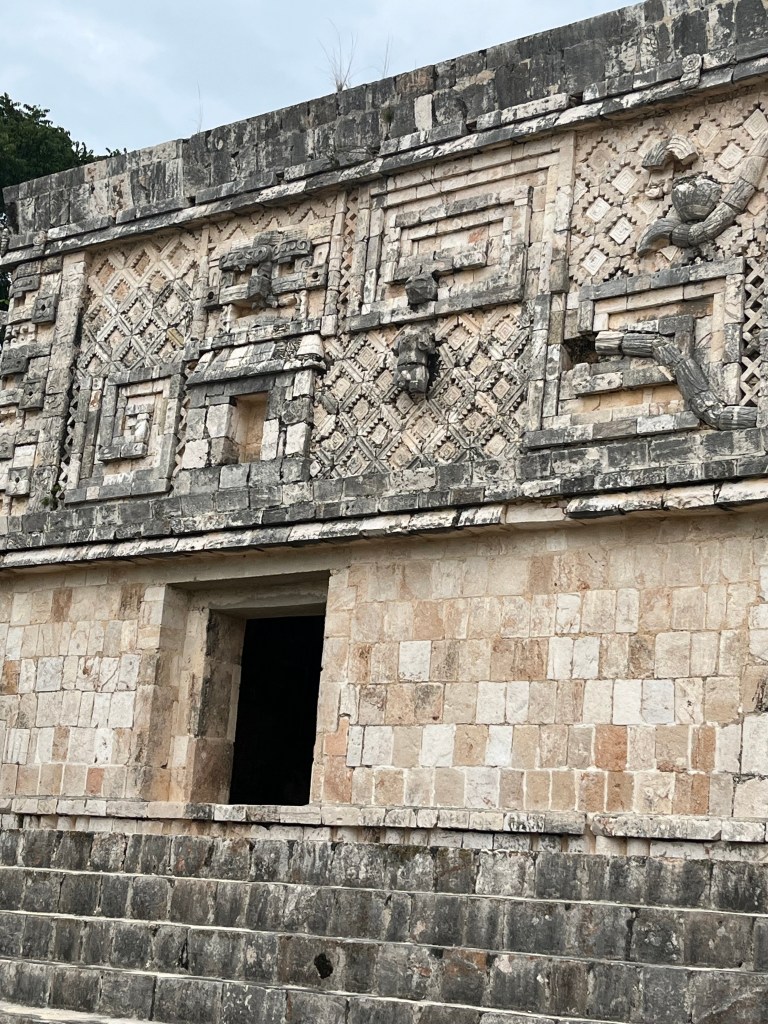
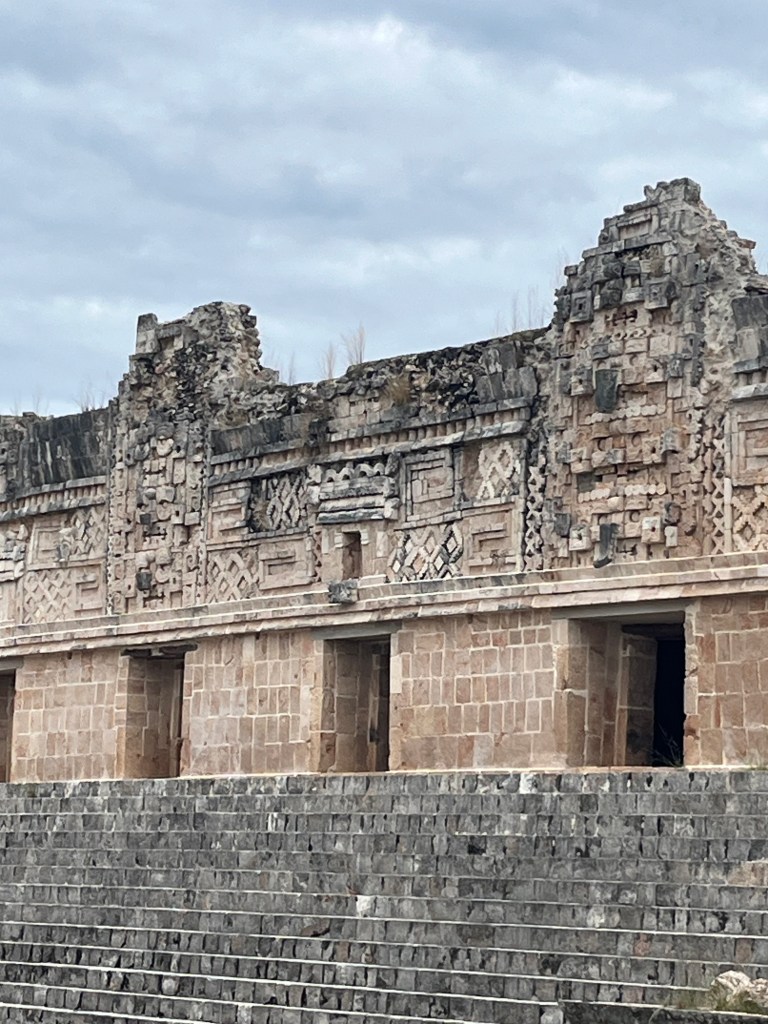
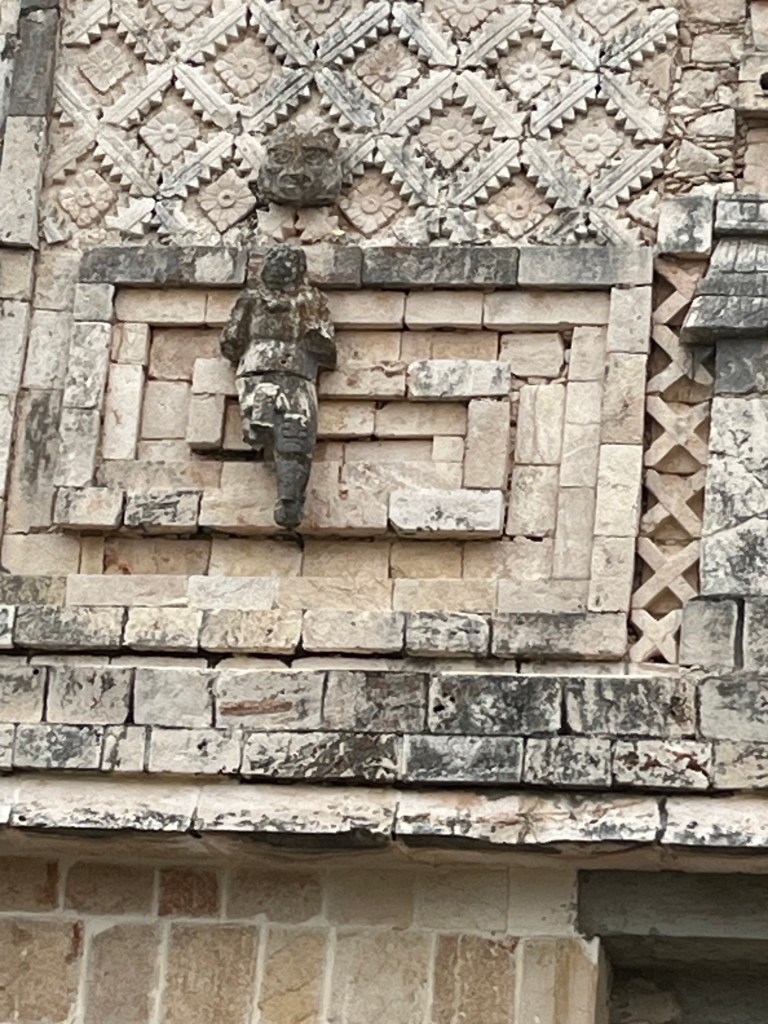
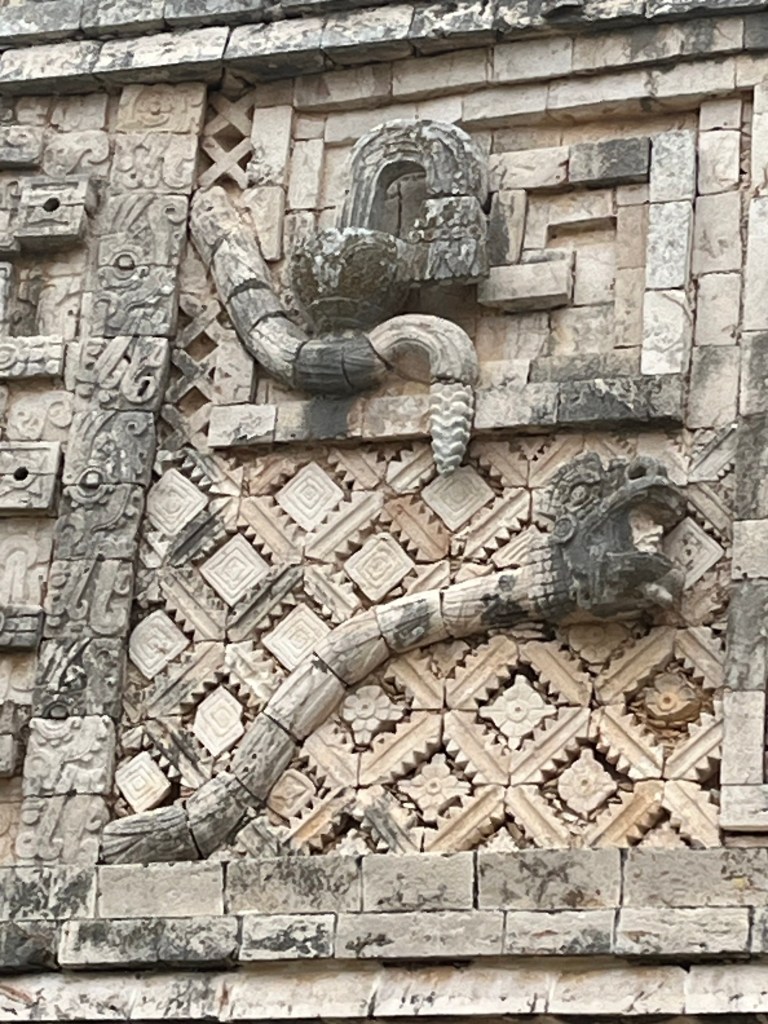
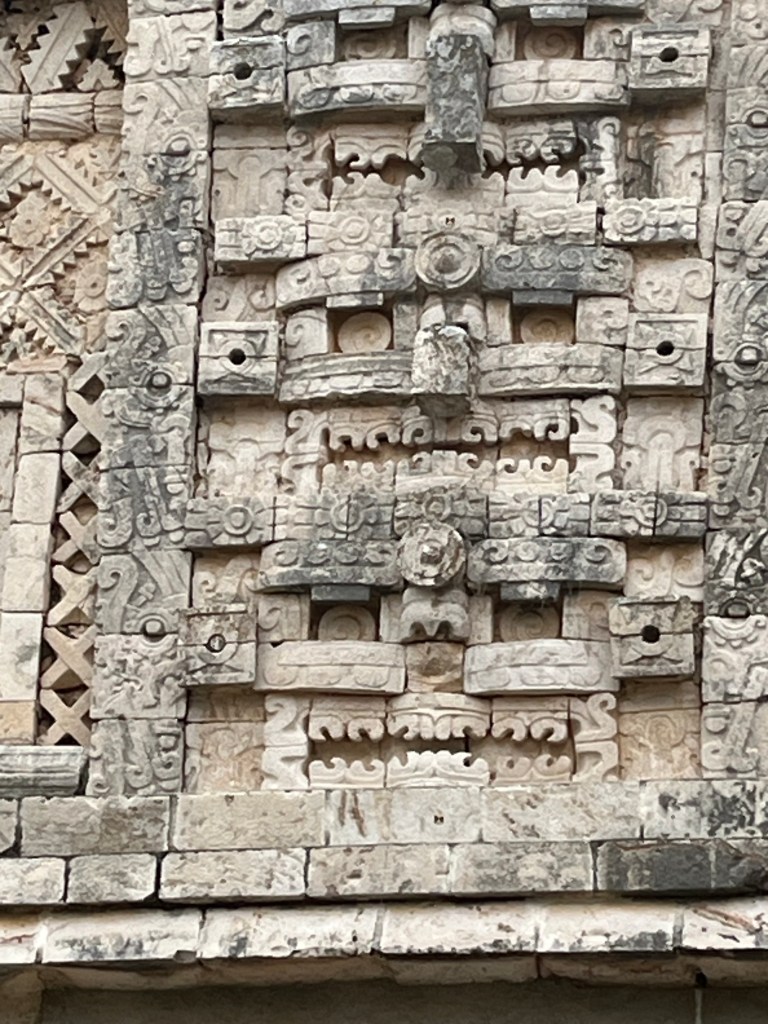
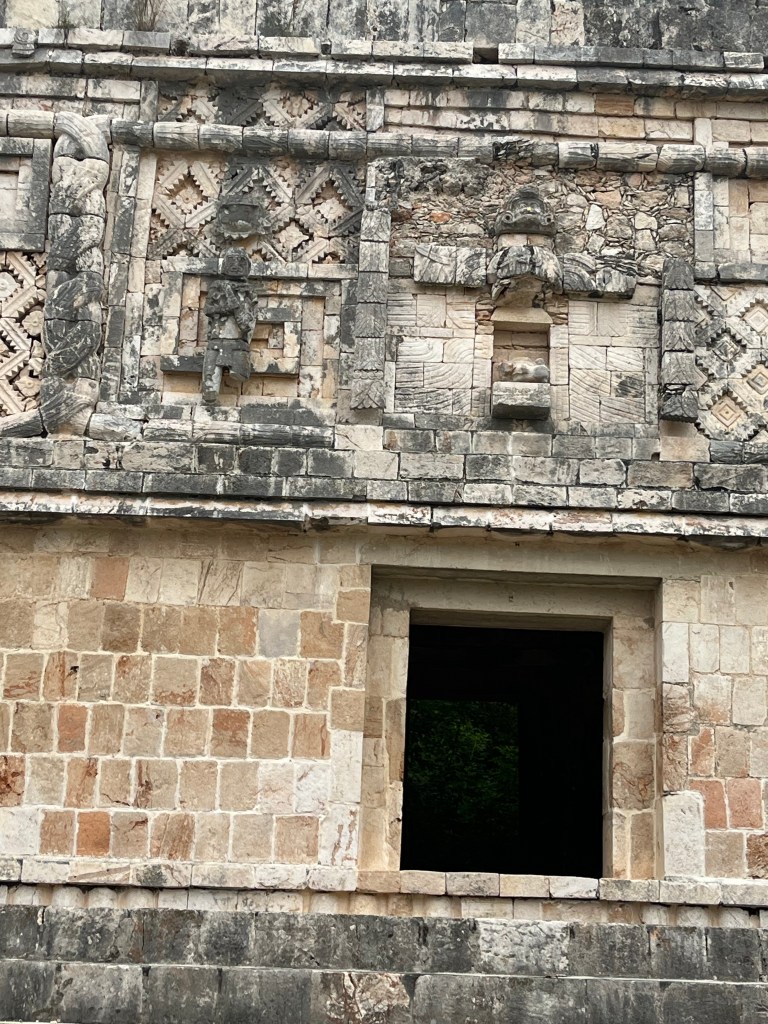
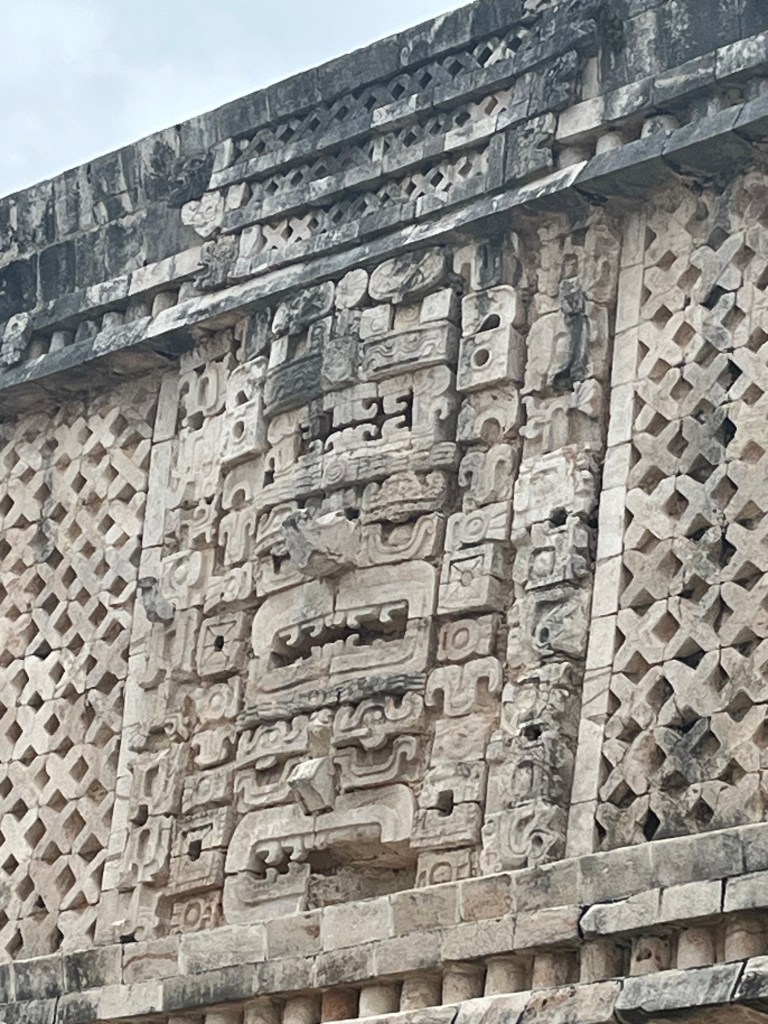
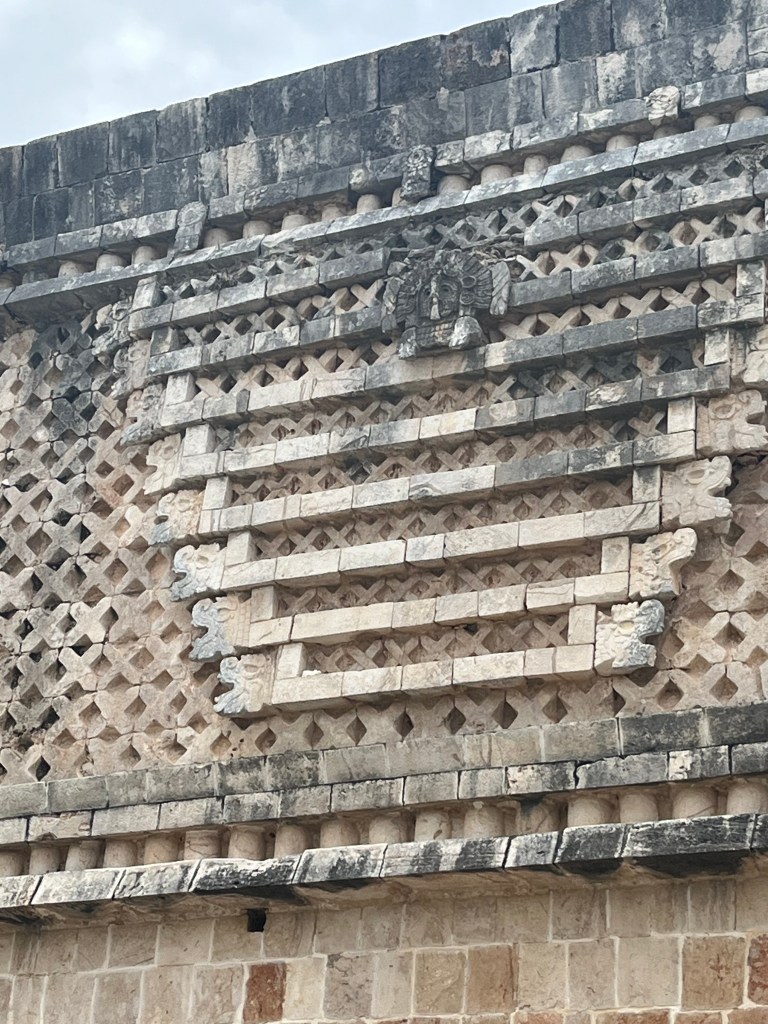
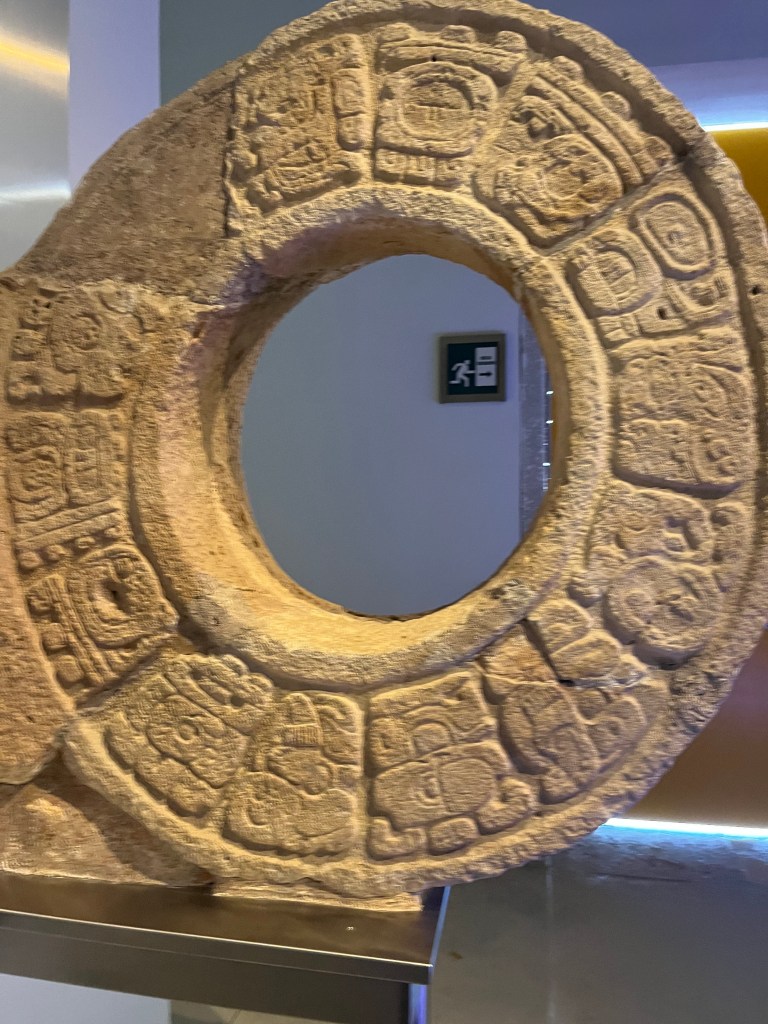
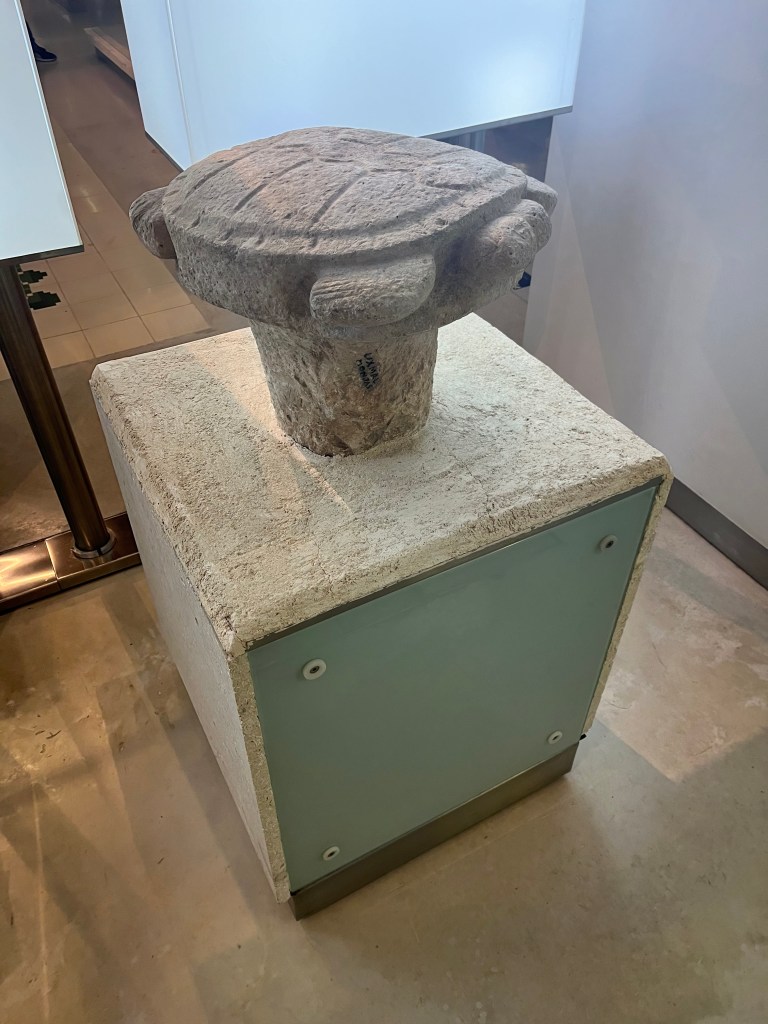
Additionally, I visited the Maya archeological site of Uxmal, meaning “three times built”, referring to the very first thing you see when you arrive at the site – the imposing Pyramid of the Magician. It is over 115 feet tall, and was built on top of previous pyramids at the site. We visited many different ruins, including a traditional ball game court on which one of the first ball games was played, and the Governor’s Palace, a huge, beautiful monument which was built on gigantic slabs of stone. We even saw an unnamed site that was still being rebuilt, raising questions on how huge and beautiful the bustling city must’ve been in its heyday. It was also interesting to see the piles of numbered stone that were sitting in piles waiting to be sorted and rebuilt, reminding us that Uxmal is an active archeological site. We wondered if we came back in twenty years if Uxmal would look like a very different place, and what was yet undiscovered there. In addition to these sites, we saw buildings such as the Grand Pyramid and the Cemetery. All of these different sites had many different carvings on them, and I wonder if they contained any ancient Maya writing on them.
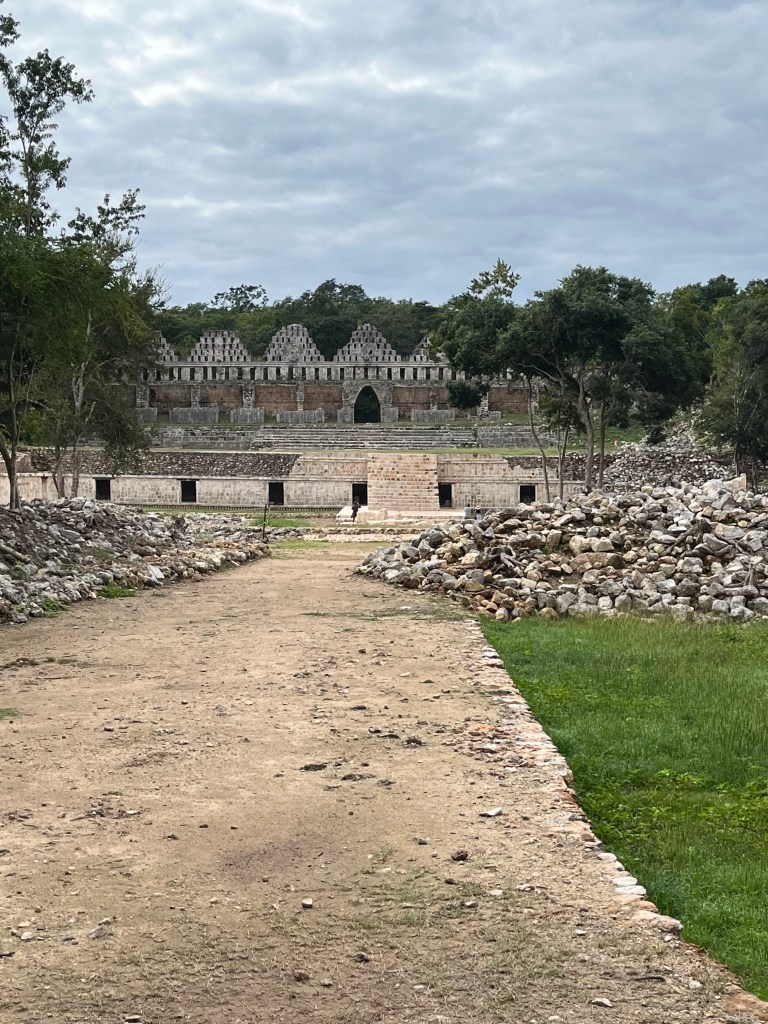
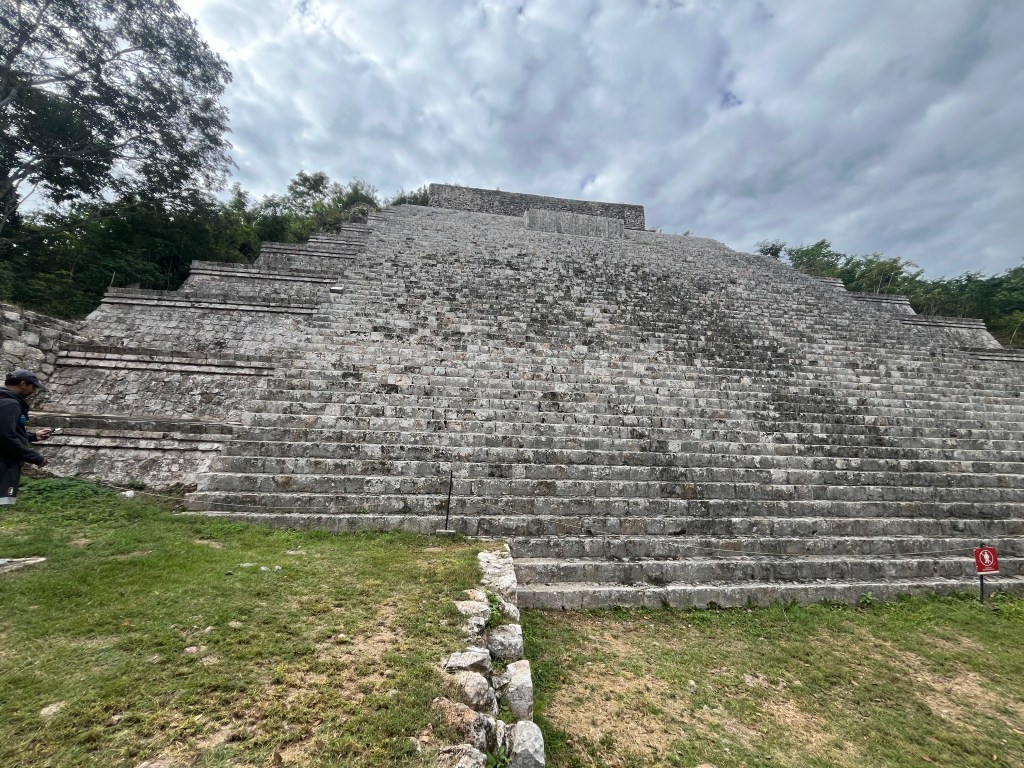
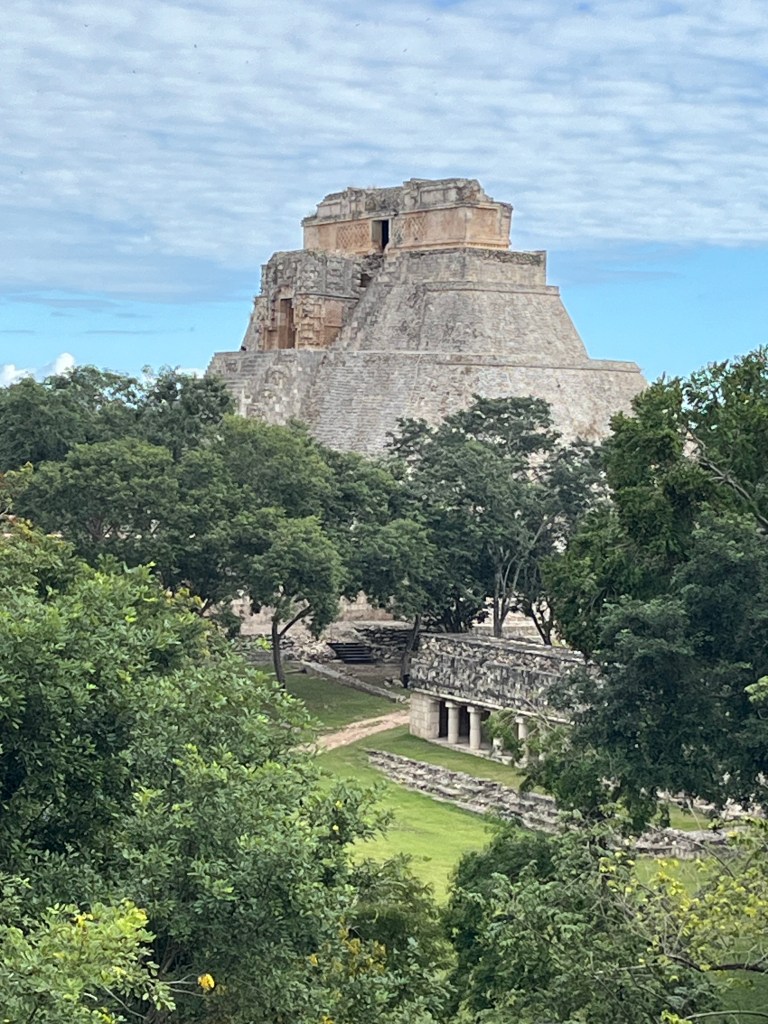
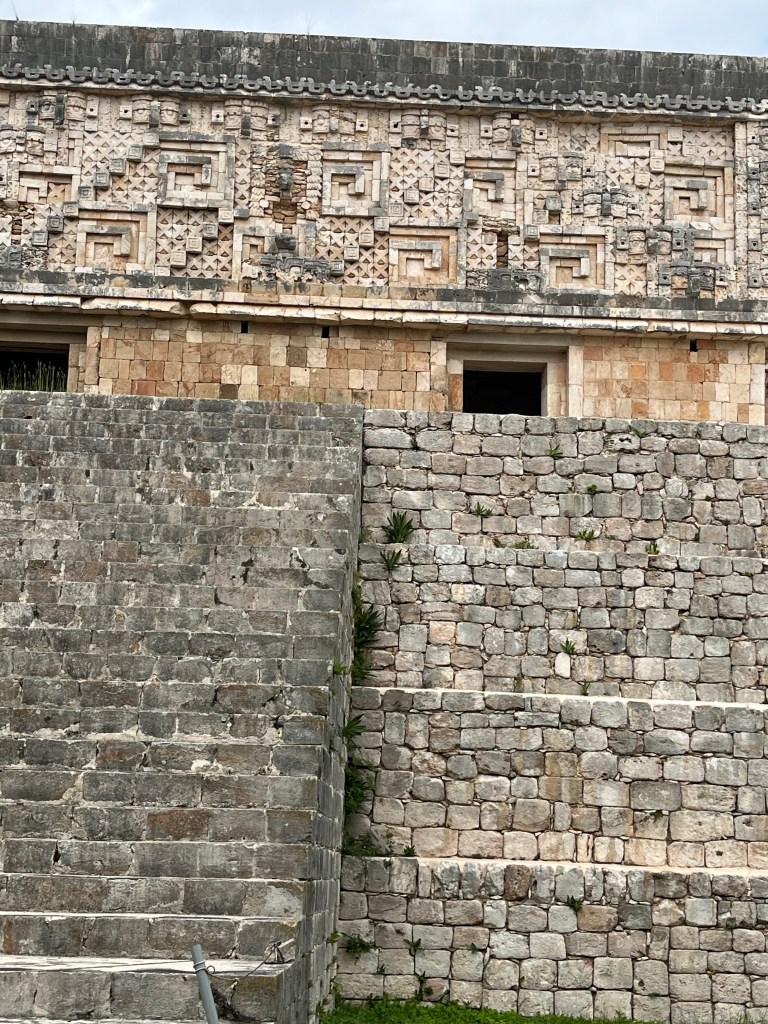

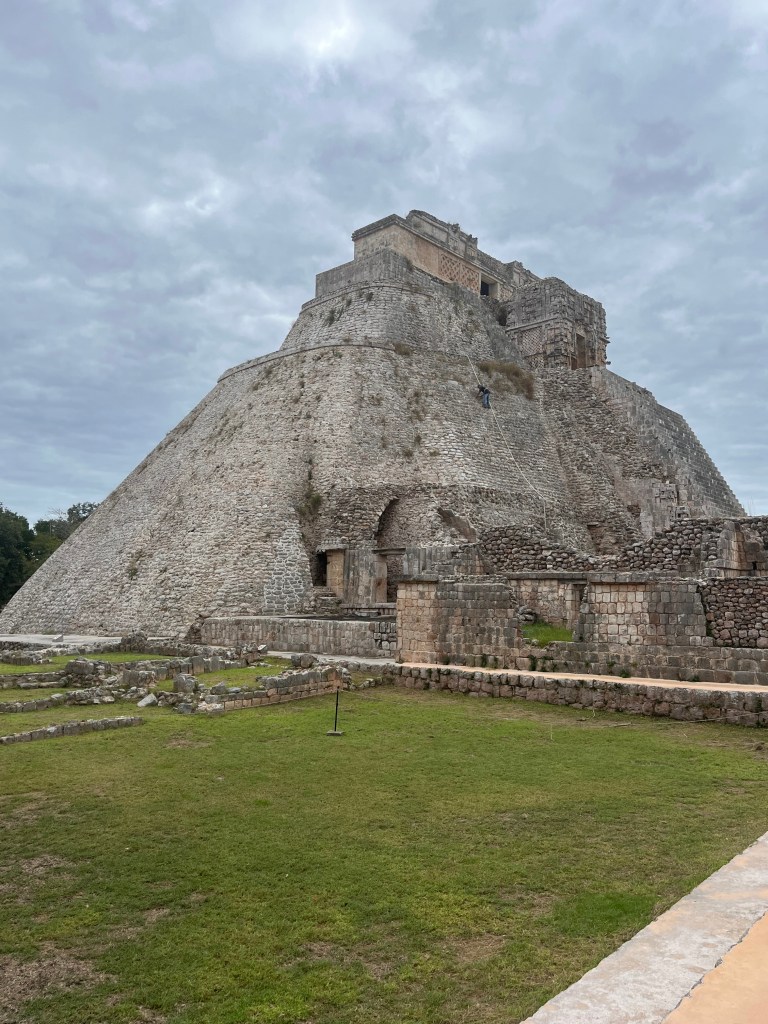
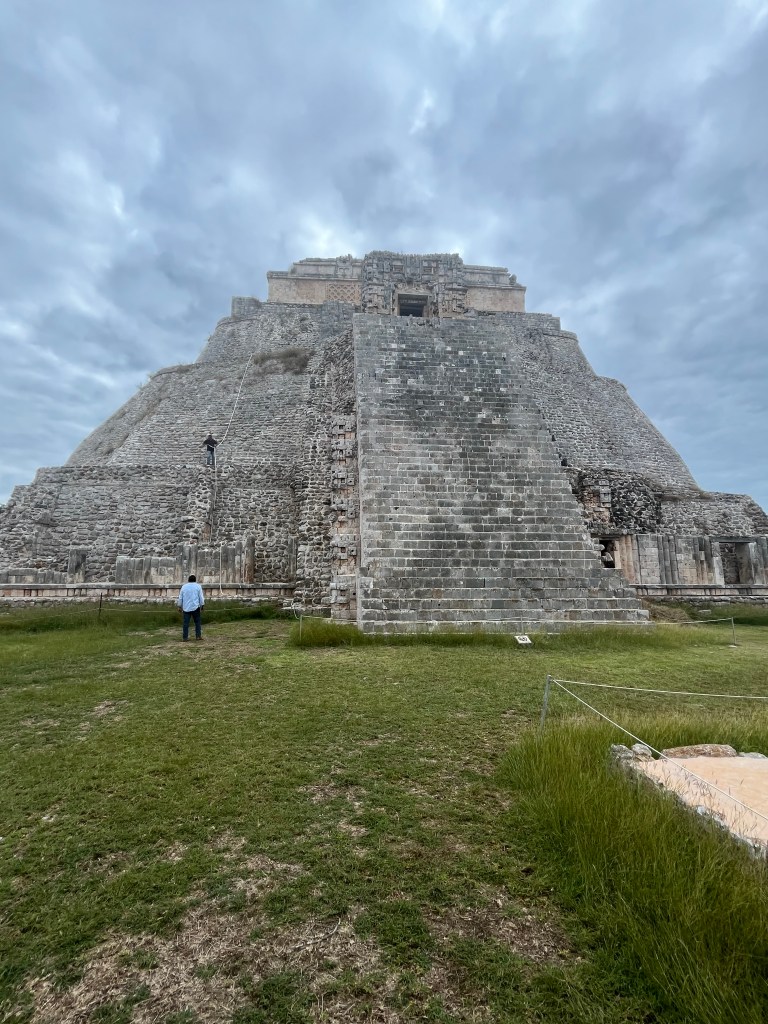
After that, we decided to make a quick detour to a small town called Muna. When he learned about my interest in the modern Mayan language, our guide recommended we make a stop here as nearly everybody in the town spoke Mayan, and unlike Merida, there was no tourism, so it was very representative of how people in the region live today. We visited a traditional market and I was able to record different vendors teaching me the names of various foods in Mayan, which is very helpful, as hearing the Maya language in real life is different from only hearing or reading it online. I found that when I smiled and asked, most people would smile back and some even offered more Mayan words without me asking. We also tried traditional Mayan street food called panuchos, which was turkey or chicken, mole, hard boiled eggs, tomatoes, and other toppings served over a puffed, fried, tortilla. It also was eye-opening to see what daily life was like for the people living there. Everyone was extremely nice and open to us, so it only gives me more reason to want to help preserve the Maya language and their beautiful culture.
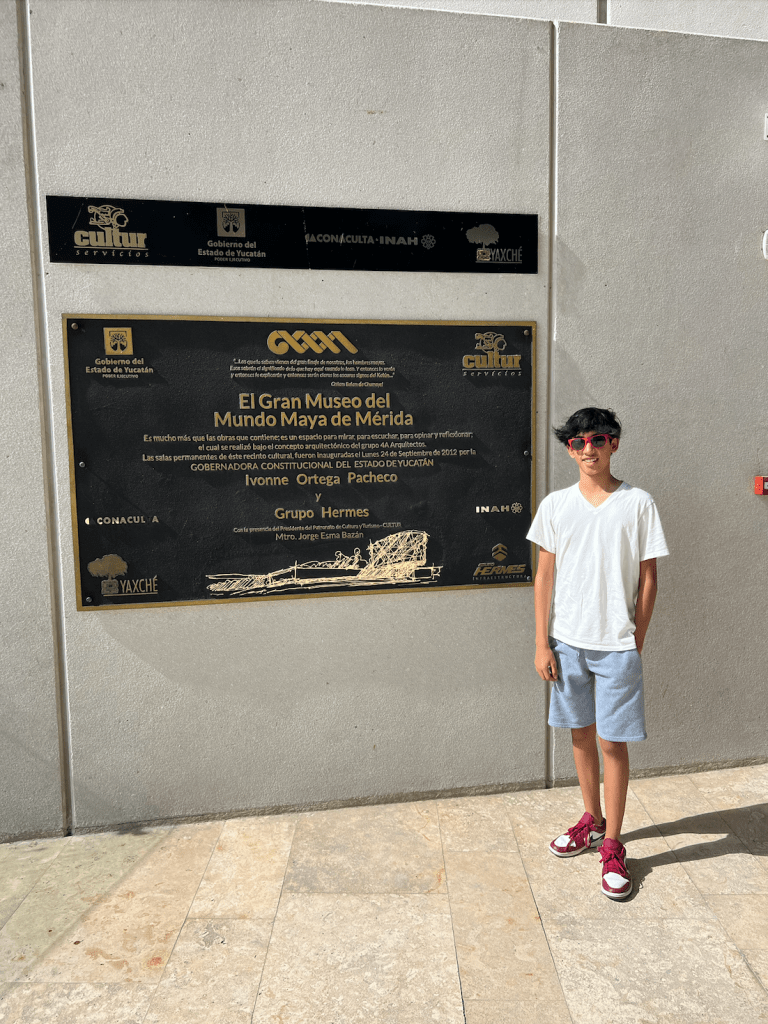
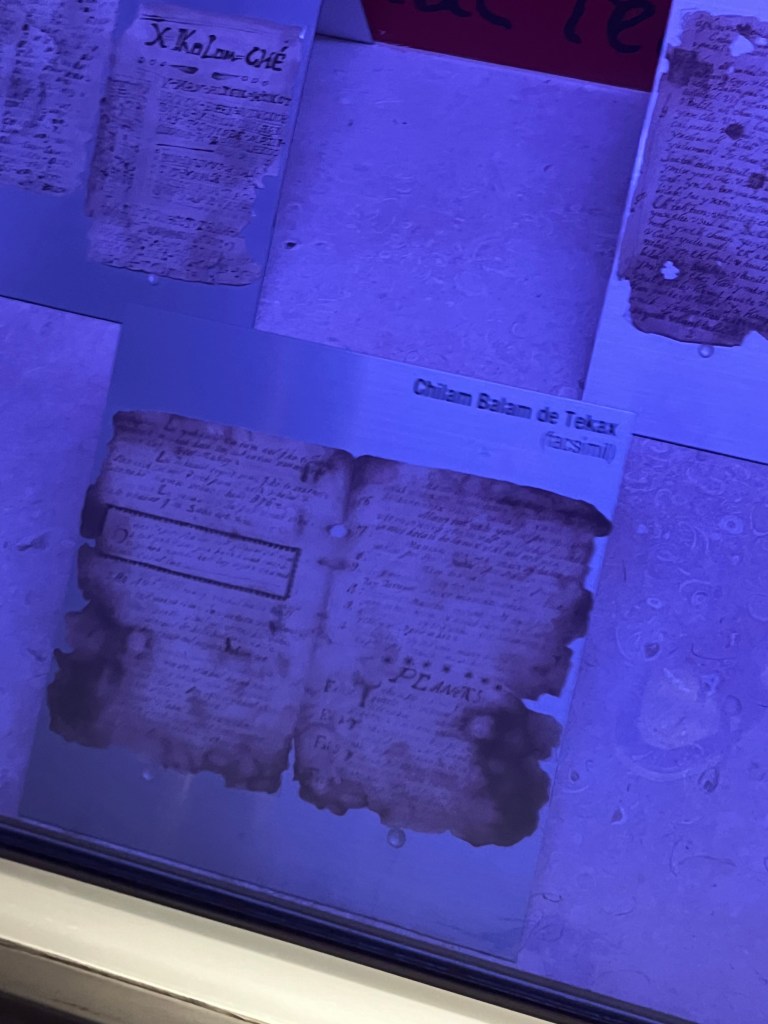
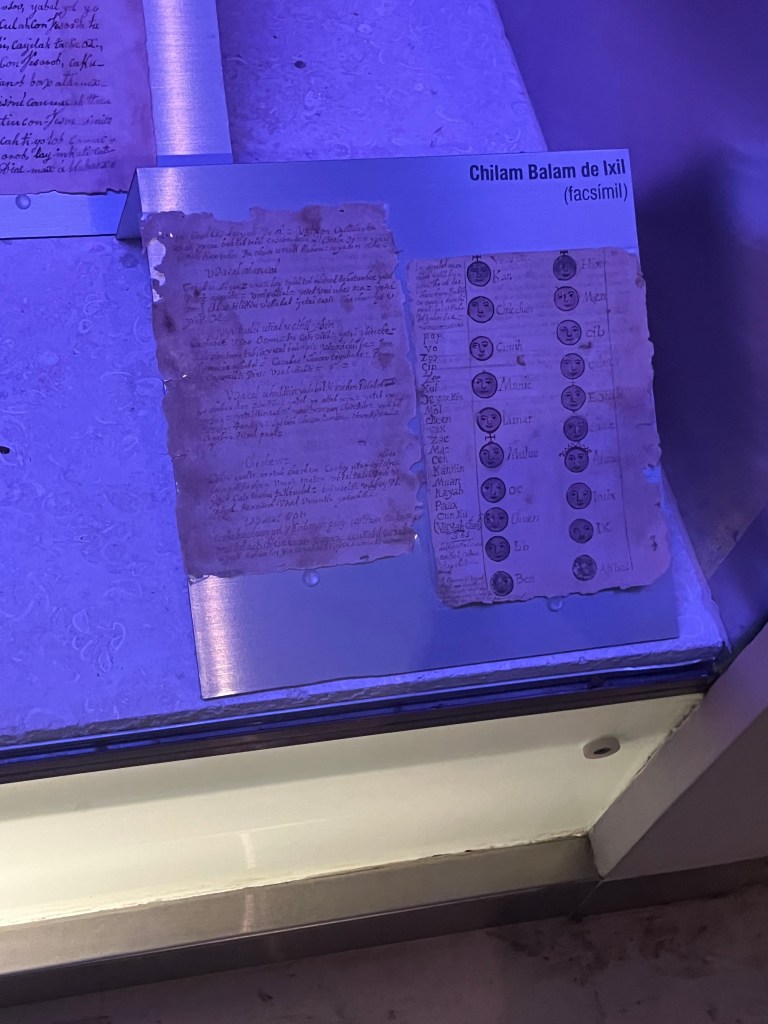
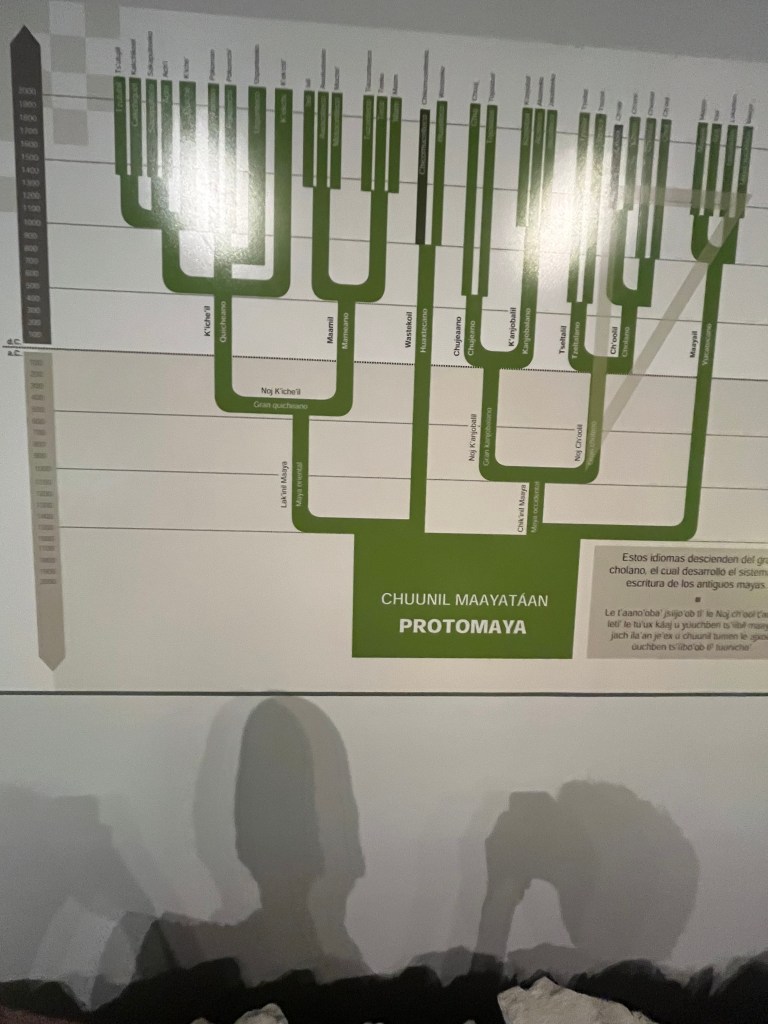
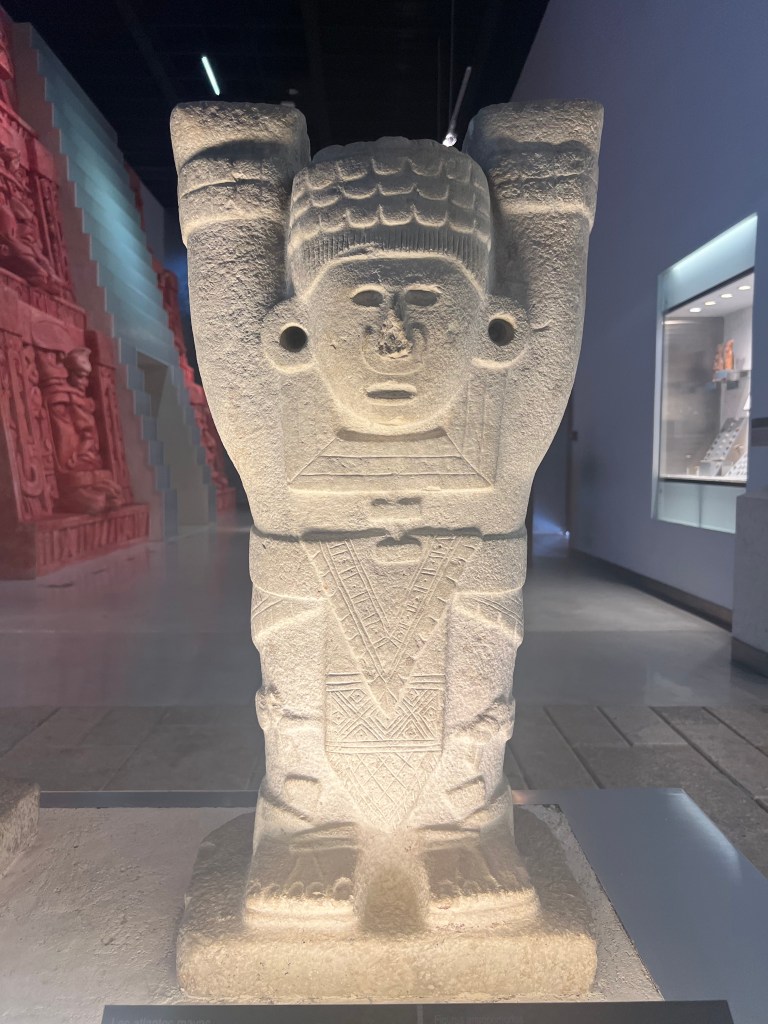
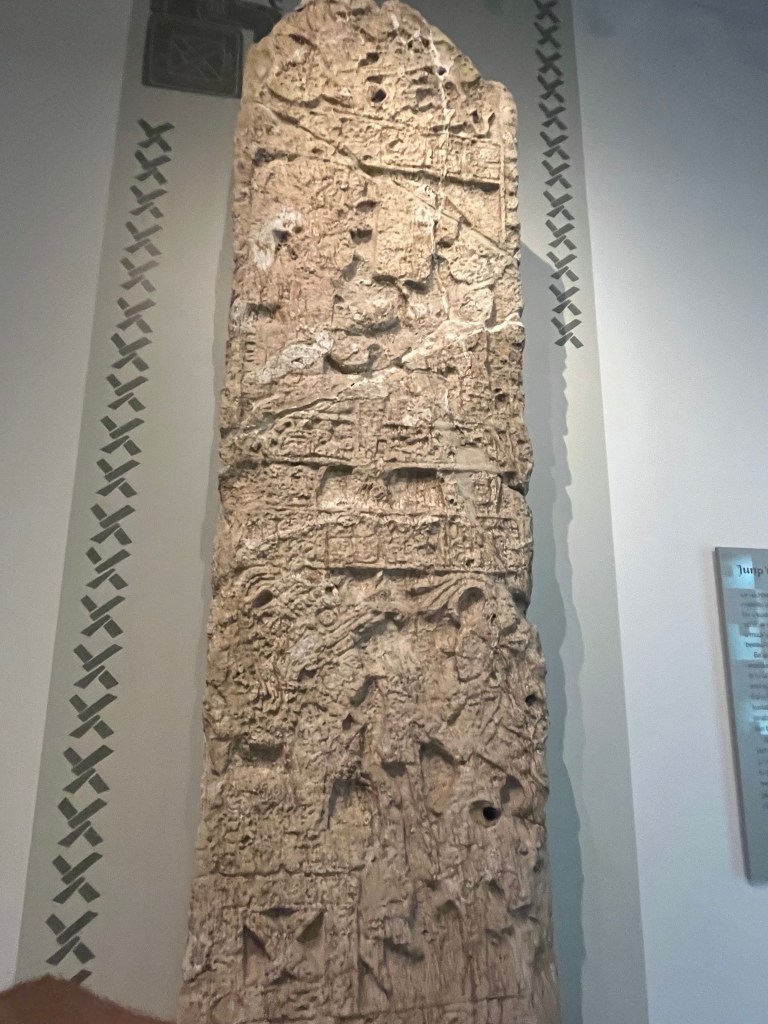
The next day, I we traveled to the city of Mérida. I took my family to one of the cities’ premier museums, El Gran Museo del Mundo Maya. This museum contained many different artifacts from the Maya world, and I learned so much more about ancient Maya culture. I know many of the traditions of the Maya carry over into the modern world, and learning about their different practices only makes me realize how necessary it is to preserve these different languages and cultures to maintain diversity in the world.
 Endangered Voices Initiative
Leave a comment