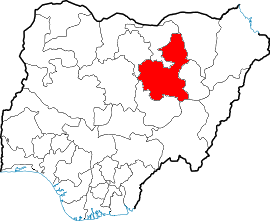
Gera, also known as Gerawa or Fyandigeri, is a West Chadic language of the Afro-Asiatic family. It belongs to the Bole group and is most closely related to Geruma. Gera is spoken in Bauchi State in northeastern Nigeria, in and around Bauchi town and in villages of the Bauchi, Ganjuwa and Darazo Local Government Areas. Its speakers call themselves Fyandigeri.
Estimates of the number of speakers vary widely. One widely cited figure from 1995 is about 200,000, while a count from 1971 recorded about 13,300, and the Gera ethnic group is much larger than the number of people who still speak the language. Gera has been recorded in at least 30 villages, but many of those villages no longer speak it.
Gera is steadily giving way to Hausa, the dominant language of northern Nigeria. A 2018 survey found only four villages where the language was still being passed on to children, and a study of five Gera settlements found that only people over the age of 40 could speak it. Those who do speak Gera borrow heavily from Hausa and often switch between the two languages in the same conversation. Even so, the language remains an important marker of Gera identity.
Gera has no standard written form and has been little documented. The main sources are a short grammatical sketch published by the linguist Russell Schuh in 1978, a handful of word lists, and a sociolinguistic survey of the endangered Bole-group languages of Bauchi State published in 2022.


